• Conte d’hiver

    [A Tale of Winter]
    Rohmer | 1991 | France

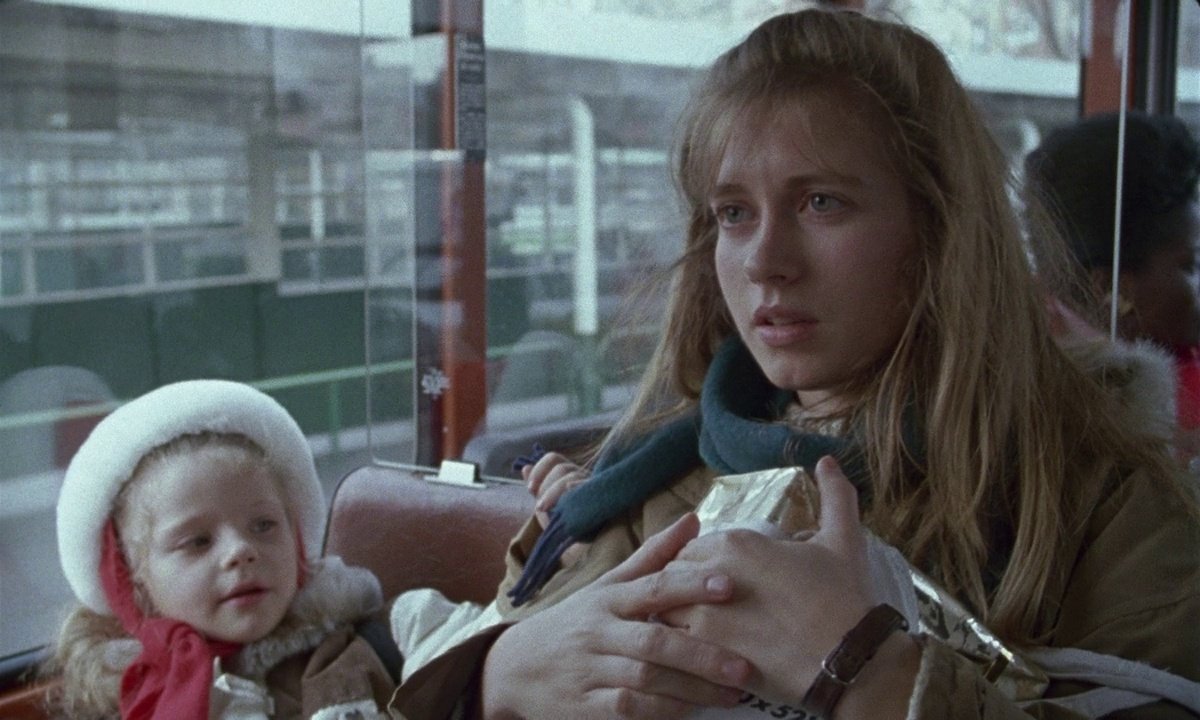
    3rd watch; 2nd in cinema. A slight disruption to my year of watching Rohmer’s four seasons cycle as each season starts – I couldn’t pass up the opportunity to show this to The Girl on the big screen. And it will be no big ask to watch this again in a few months when winter begins, as all of Rohmer’s films are endlessly rewatchable, revealing themselves anew each time you check in with one. For example, this revisit allowed me appreciate the subtle depth and grace of Véry’s lead performance – truly the driving force of the film.

    As with any Rohmer film, characters do be talking. In less capable and empathetic hands, constant discussion of thoughts and feelings (and frequently their philosophical underpinnings) would keep everything a little too textual. Rohmer manages to avoid crossing this line by recognising the utility of oral discourse to *his characters* as opposed to us, the audience. We are merely flies on the wall as characters talk each other (or, more often, themselves) into and out of things.

    The final line of this film is my favourite final line of any film, made all the more powerful because (a) it is an echo of another character speaking the same phrase only moments before and (b) it is also (canonically) the final line of the four seasons cycle, Rohmer’s last thematic sequence of films. I shan’t spoil it, but it also describes the emotions of one who loves his films when they arrive at this dual ending.

  • Man on the Run

    Neville | 2025 | USA, UK

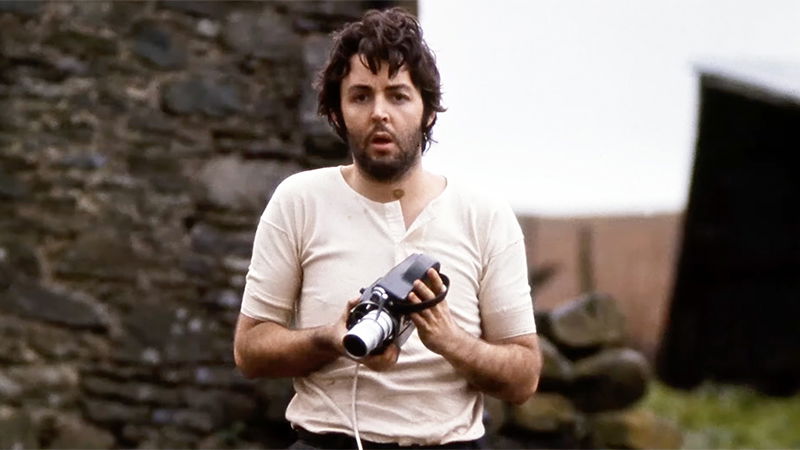
    There is an essential tension (if not absurdity) about Paul McCartney, and this doco comes pretty close to meaningful insight in exploring that tension. Here we have a guy – and I do mean “a guy” rather literally – who wants to be the only thing he can never be: somebody without ‘former Beatle’ on their CV. The doco at hand unrolls his navigation of the 70s and the formation and [unofficial] dissolution of Wings, and makes much of his desire for Wings to be a group of equals. But of course, this could never be.

    The very interesting question that arises on the back of this notion is: would anybody care about Wings at all if this were not the case – if the band were just any group of musicians and not one led by Sir Paul? It’s easy to point to their successes, the greatest of which was the album Band on the Run, and just as easy to forget this was not their debut effort – how many bands not led by former Beatles ever get a second crack after a first album that was dismissed by critics? Or, take a different tack: would the critical reception of the first Wings album have been so harsh had people not wanted them to be The Beatles: Mark II?

    This film at least asks these questions, without ever really answering them. But that exploration, punctuated with reflections on life on ‘the farm’ and Paul’s marriage to Linda, was more than enough for me. One walks away immediately wanting to put on one of his albums (I chose McCartney II) and wanting to move to a sheep farm. Increasingly, it is McCartney’s efforts to lead something like a simple life that are the most endearing to me.


  • Wuthering Heights

    Fennell | 2026 | USA, UK

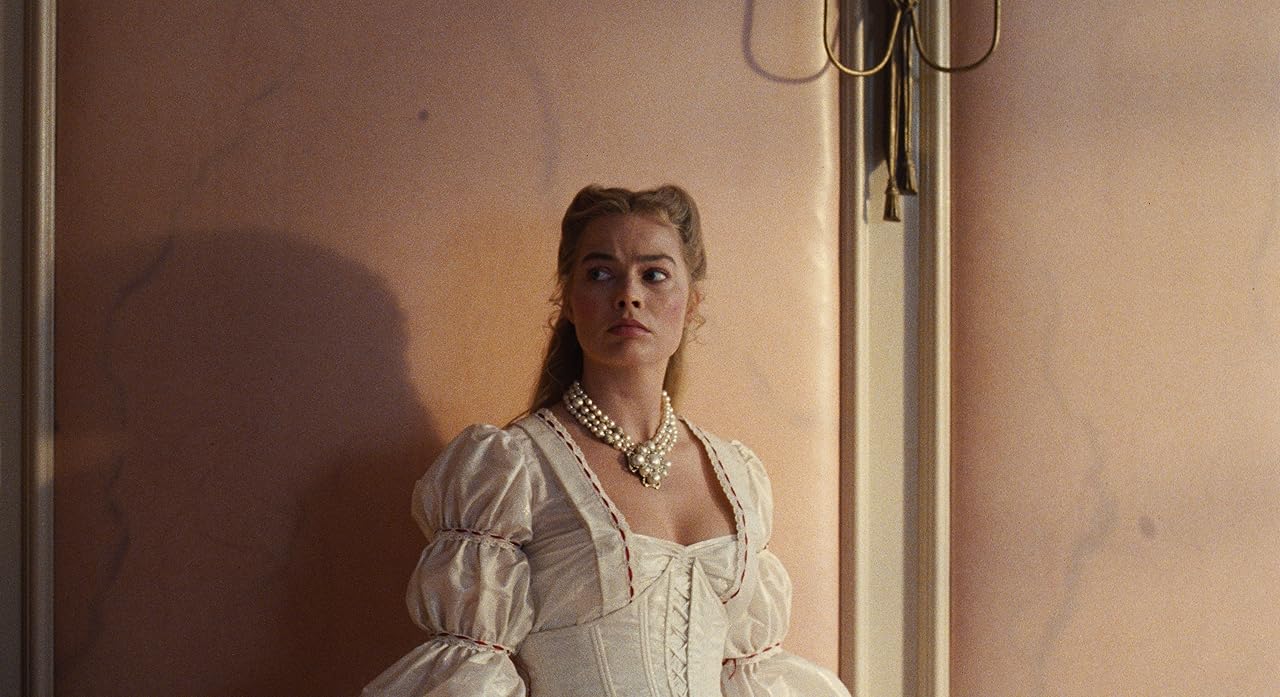
    Pretty [boring].


    That said, a flavour of take I continue to see about Wuthering Heights concerns the “accuracy” or “respect” of the adaptation. One formed and shared in particularly bad faith called it “anti-intellectual” and “dangerous”.

    Movies are movies and books are books. Even when a book is adapted “faithfully” and both book and film are excellent (The Martian and 25th Hour spring to mind), they are still separate quantities and there’s nothing in the link.

    Next month I’ll get to see an adaptation of my favourite writer’s (Camus) most popular novel (The Stranger). I won’t be able to unread the novel and that knowledge of the story will be on my mind as I watch the film – but it’s not knowledge I’ll hold against the film. Otherwise, what would be the point of even watching the film?


  • Conte d’été

    [A Tale of Summer]
    Rohmer | 1996 | France

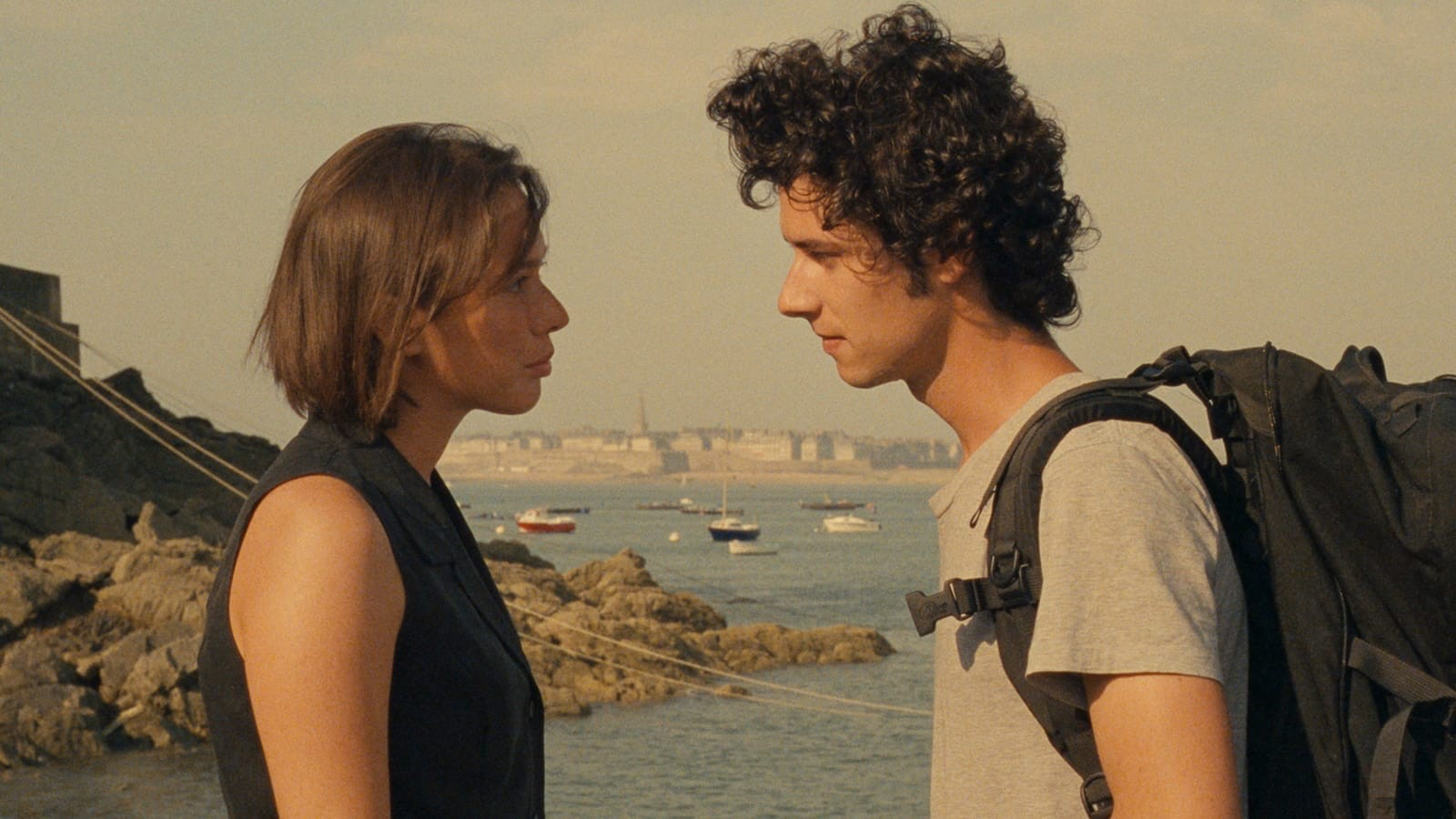
    2nd watch. 2026 begins with me continuing my quest to re-watch Rohmer’s Four Seasons cycle in line with the “real life” seasons. This might just be the walkiest and talkiest of all the walk and talk stories out there (a compliment). Dinard, St Malo, and St Lunaire provide stunning backdrops for said walking and talking – one can almost convince oneself they are themselves on holiday. I appreciated the foibles of our hero, Gaspard, a lot more this time around. A deceptively simple plot plays almost as an essay on indecision and self delusion, rendering the resolution, as it were, hilarious for its appropriateness.


  • Ciao Bambino (and the Roxy)

    Pistone | 2025 | Italy


    Had myself a night at The Roxy, including a three course dinner at Coco, their restaurant (Sunday roast: lamb shoulder). A yummy time followed up by this meditative coming-of-ager playing as part of the Italian Film Festival. Plumbs a straight line to the only ending it could have, but which hits you hard all the same. Indeed, the sound and inventive camera movements are deployed expertly enough to suspend you in the oneiric state required *for* that landing to hit.


    It seems to be my curse that I discover something very cool on the last day I’m in a city, leaving no time to check it out. On the last day of my 2023 stay in Wellington, this was The Roxy. I scheduled a tour of the Weta Cave on the morning of my final day in town, and the tour bus points out the cinema as you’re driving through Miramar (as it’s owned and operated by Weta big wigs). I made a note to drop by the next time I was in town, and I only had to wait two years in the end.


    As above, the restaurant is fantastic, with a rotating Sunday roast. Because I am a tremendous nerd, I used the occasion of my solo dinner to begin reading The Lord of the Rings – something I have surprisingly never seen through. Gollum stands guard over the lobby, and he was decked out in his holiday finery when I blew in.


    The interiors are beautiful, and the seats are comfortable enough to sink into. It really makes one wish this could be their local. Overall, I had a thoroughly magical evening treating myself to dinner and a movie.

    Don’t forget to say bonne nuit to Gandalf on your way out.


  • Irma Vep

    Assayas | 1996 | France

    Second watch; first in cinema. I am always going on about the concentric circles of art and memory, and you can stop reading here if you’d like an apology for this. Generally underexplored is the possibility of creating art by mutilating art and, by extension, the moment it captured. This is, perhaps, because we have arrived at a moment of all art being impermanent (despite what tech bros peddling NFTs will tell you. 35mm film, however, can be objectively and irreparably destroyed.).

    Indeed, I have recently started to dabble in drawing. I have feared finalising my pencil sketches with anything as permanent as ink or marker, because one false stroke could [devastatingly] ruin ten or more hours of work.

    But then I read about the trick of tracing your pencil sketches, and then perhaps tracing it again. At which point the pencil sketch is art, the tracing is art, and any number of subsequent tracings are art. What, then, is an abandoned sketch I’ve scrubbed out?

    Exploring this question (while challenging you to decide if art and a psychotic break can be mutually exclusive) is what might be my favourite ending of any movie. Preceding it is a fascinating meta commentary on filmmaking as [barely-] controlled chaos, anchored by Maggie Cheung playing, well, Maggie Cheung (as a deceptively self-aware avatar of herself).

    Assayas has a lot to say via these filmic manifestations of unreal realities, and it’s all packaged not unlike the nouvelle vague films that inspired it. I could probably learn something about myself if l interrogated my own propensity to emotionally connect with explorations of craft. Perhaps that is our call-to-action.


  • Ninny Emerges

    Have been having some fun sketching Ninny Spangcole from Burn The Witch.


  • Little Trouble Girls

    Kaj ti je deklica

    Djukić | 2025 | Slovenia

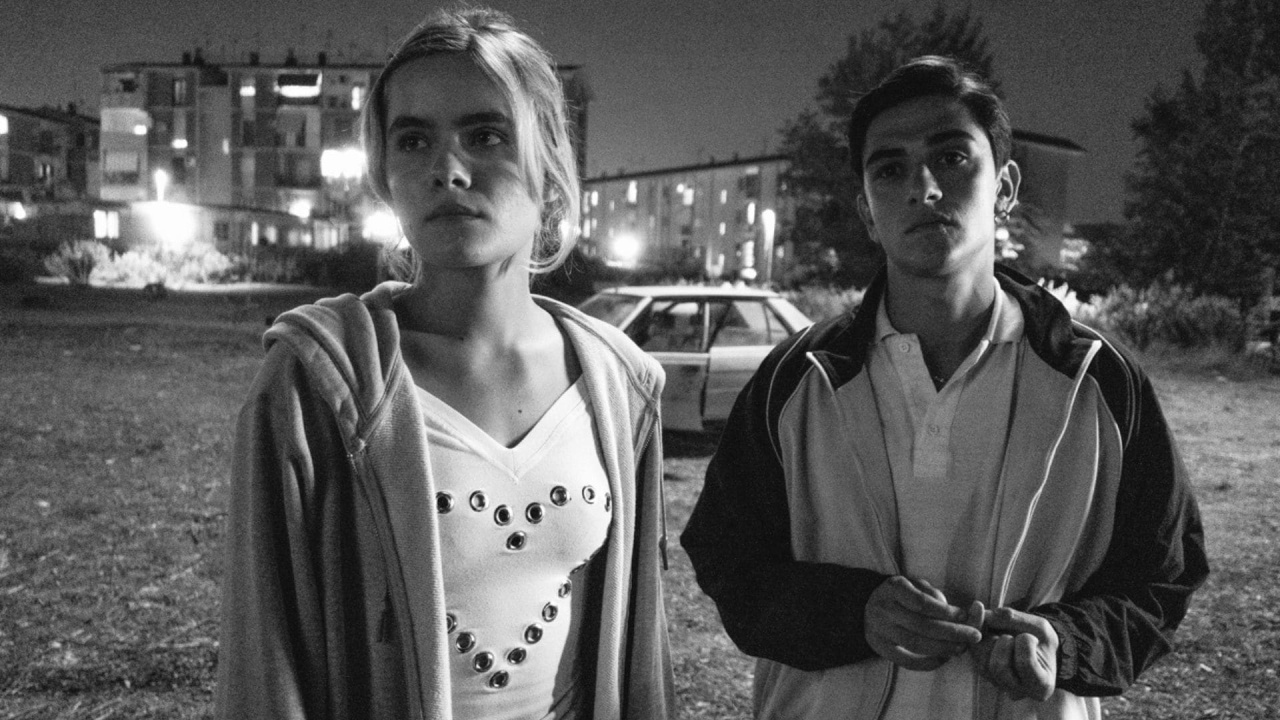
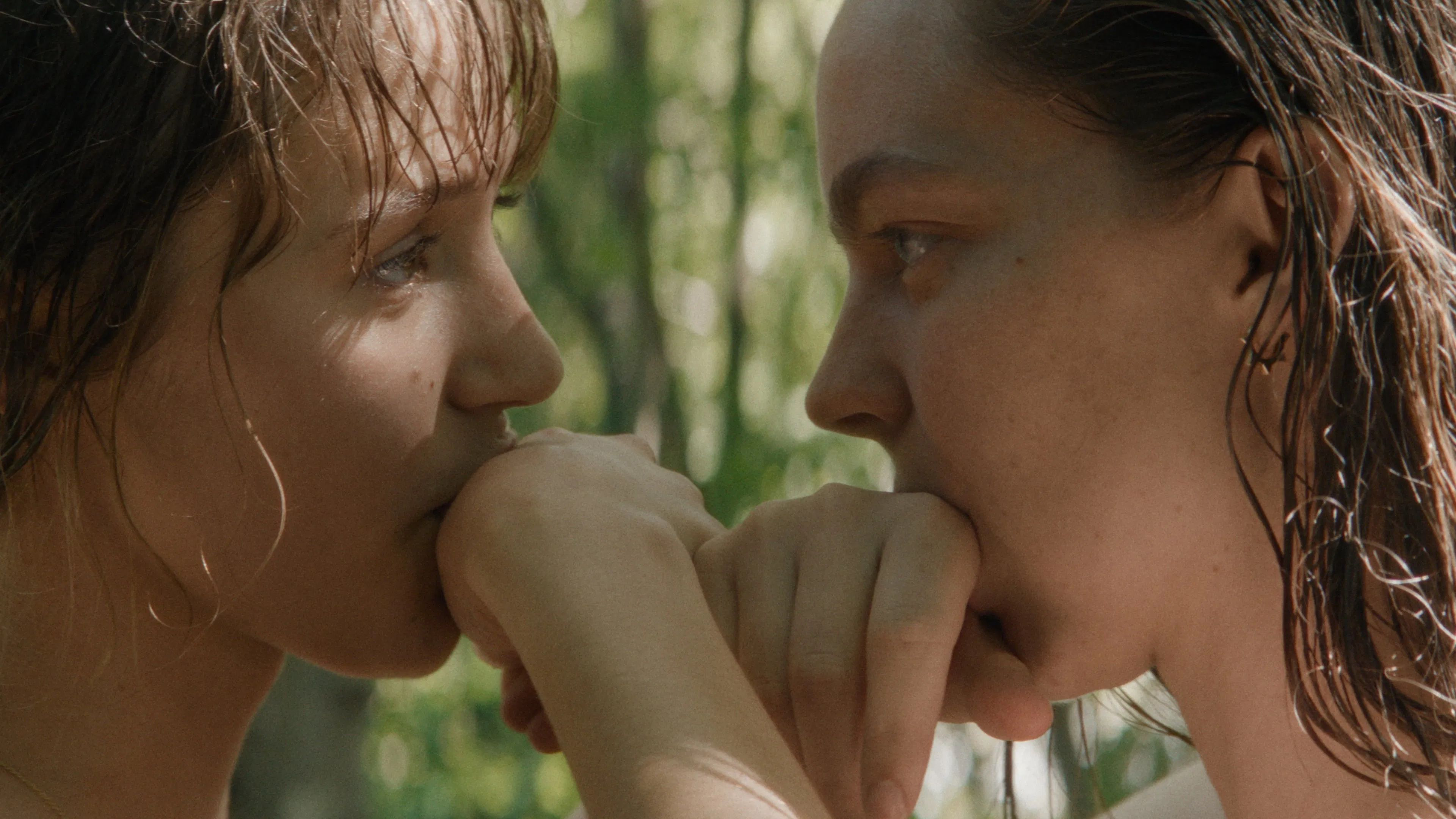
    Films such as this have a funny way of making me question how many genuine emotions I’ve felt in my life. Far from depressing, it’s rather life affirming to view a coming-of-age tale with the benefit of a little life experience. My own adolescence was characterised by adult oversight that was dispassionate at best and uncaring at worst, leaving little space in which to find myself (and probably not much to find, at that). The word “stifling” comes to mind, albeit not the brand of stifling experienced by Lucia here. The sound design is entrancing in a way that carries you away like one of her daydreams; the choral music a resplendent aural backdrop. Something very special, this one.


  • Observe and Report

    Hill | 2009 | USA

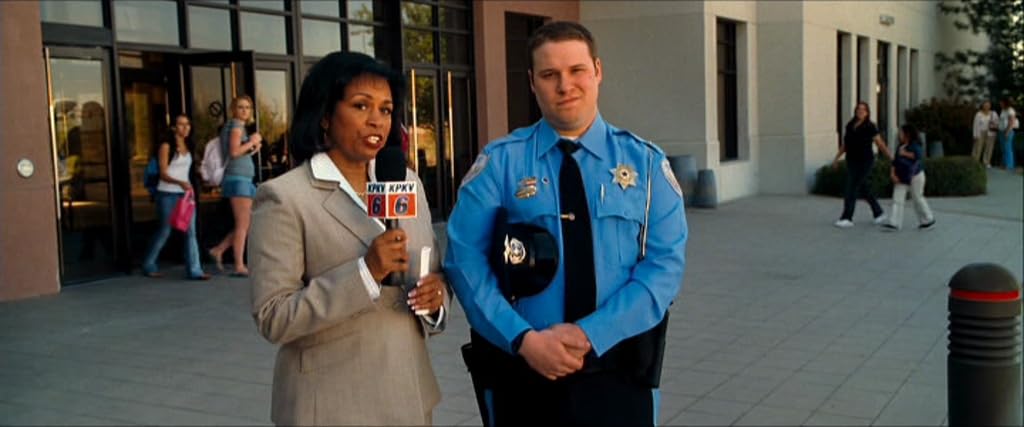
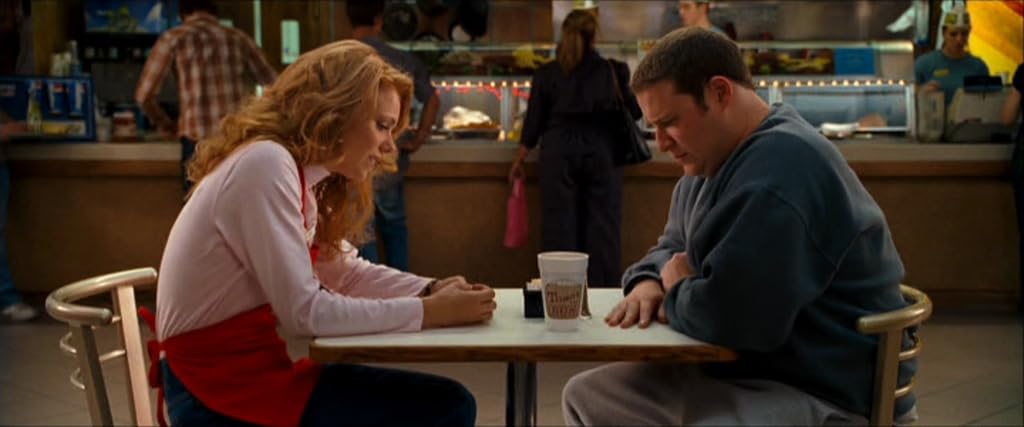
    Umpteenth viewing, but my first in years. Criminally misunderstood and widely underseen, this is my go-to answer when people ask for a hidden gem (with the GIANT caveat that the comedy is very dark and the action shockingly violent). Done zero favours by a marketing campaign that would have you expecting a stoner comedy, this film arrived eight years after 9/11 as the GFC continued to reveal how screwed everybody was going to be. Ronnie (Seth Rogen) was unexpectedly the perfect “hero” for this moment: delusional, troubled, overconfident, solipsistic to a fault, and off his meds under his own advice.

    One of the best things about this film is the economy of storytelling – there’s barely 80min of movie here, and yet we cover a full (if perverse) hero’s journey INCLUDING love interest (my forever-crush, the delightful Collette Wolfe). Ronnie remains implacable throughout – one might rush to decide he’s a delusional moron but I will always argue he’s a victim of his circumstances (which is why he felt so universal in 2009). His heart is in the right place but almost never at the right time or in the right way.

    All of this builds toward a climactic moment of naked violence that is one of my favourite moments in any movie. Not because I long for violence but because the movie manages to make it feel cathartic. Though you might see it coming (and I obviously always know it is), it levels you all the same. Frankly, a perfect[ly horrific] ending.


  • The Mastermind

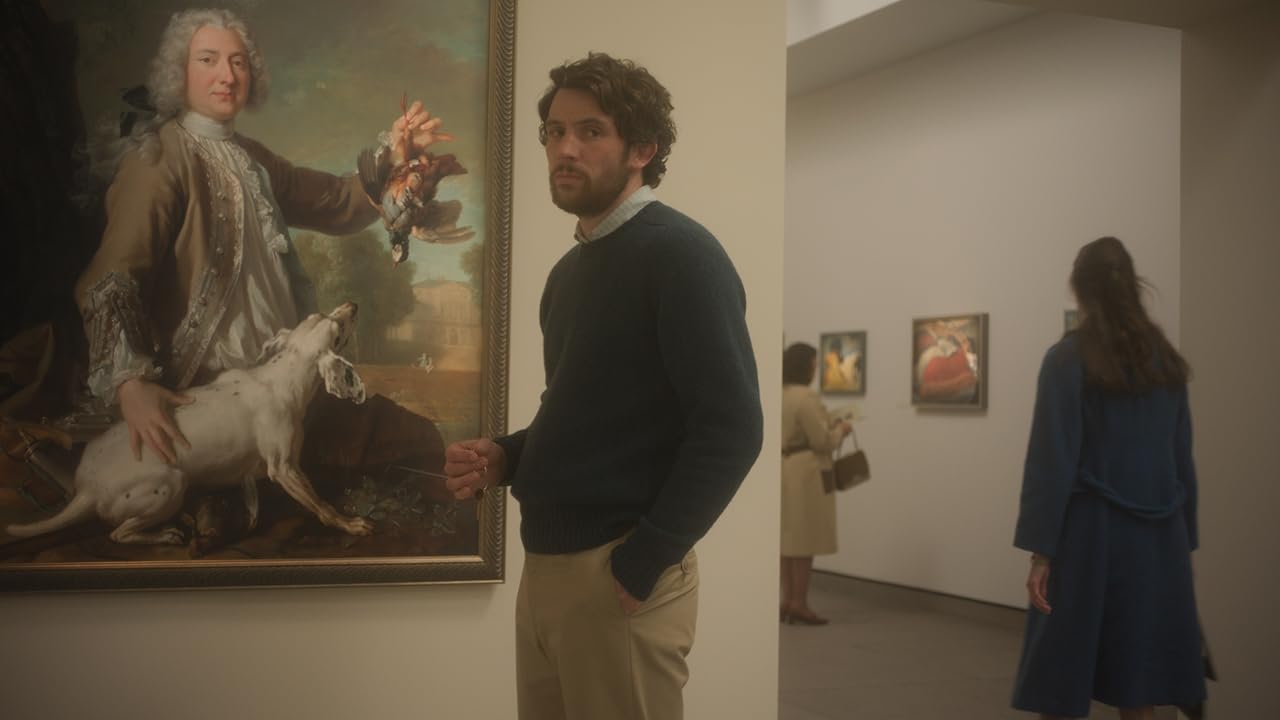
    Reichardt | 2025 | UK, USA

    I remember reading an interview with one or both of the Coen brothers in the aftermath of No Country For Old Men blowing everybody’s mind back in 2007. They were asked why they chose to set the story in the 80’s and their answer was simple: to not have to worry about cell phones making the story impossible to tell.

    This floated to the front of my mind even as The Mastermind unfolded: this simply wouldn’t be as compelling if cell phones existed. In short, it would be too easy to avoid basically all of the obstacles encountered. And this is perhaps why such deceptively simple stories, out of time, compel us as we start the second quarter of a century defined by the ever-advancing creep of tech into our lives and psyches.

    If verisimilitude can be considered a genre unto itself, carve this film onto its Mount Rushmore alongside films like Allied (the most compelling film Robert Zemeckis has made in the last couple of decades – and still largely underseen).

    Josh O’Conner is an unbelievable talent now two-thirds of the way through a loose “bad art thief” trilogy that I’d very much like to see tied off one day. Maybe I’ll tie it off myself by watching this one again straight away.