• Certified Copy

    Copie conforme

    Kiarostami | 2010 | France, Italy

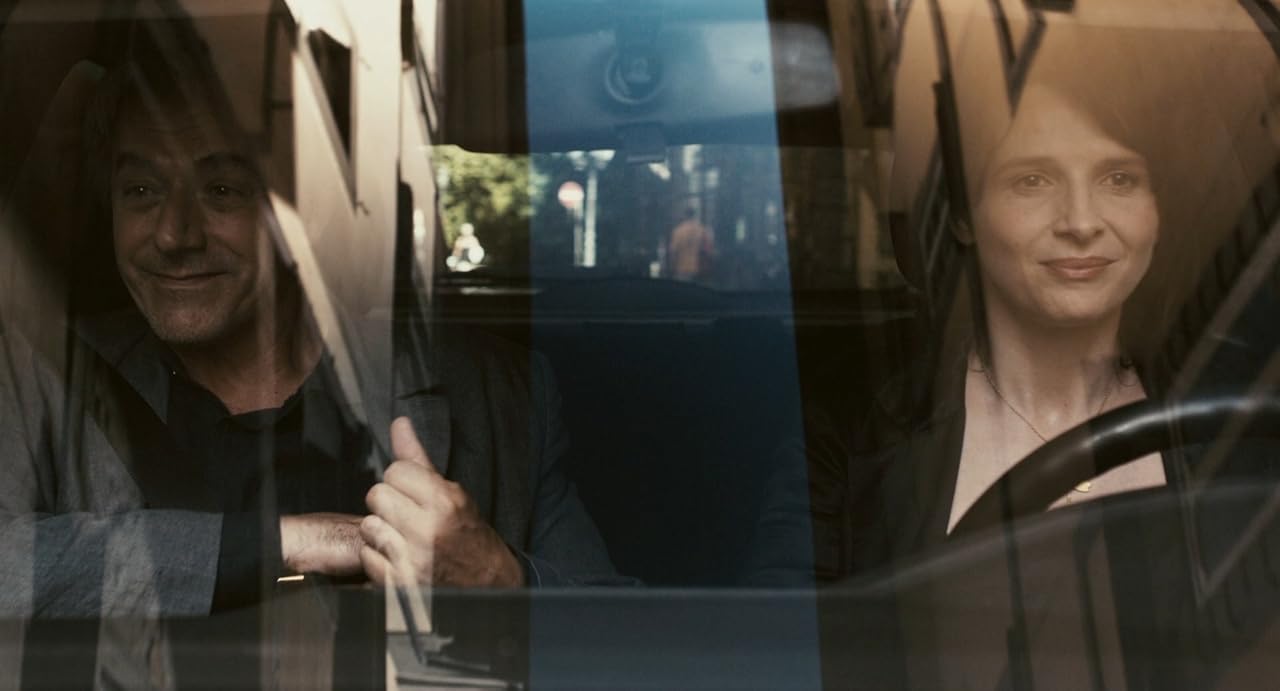
    2nd watch. I don’t have notes from my first watch and so l don’t remember if I was initially as struck by the role that literal reflections play in the story (see above for a good example). It’s all part of a delightfully playful conceit that I can see myself interpreting differently every five years or so when I dip in for a rewatch. Like any good philosophical meta commentary on art, it leverages the viewer’s solipsism (and I’ve used this phrasing quite deliberately to distance myself from the argument) to make them feel as if all art is for and about them. Which, of course, it is.

  • Dog Day Afternoon

    Lumet | 1975 | USA

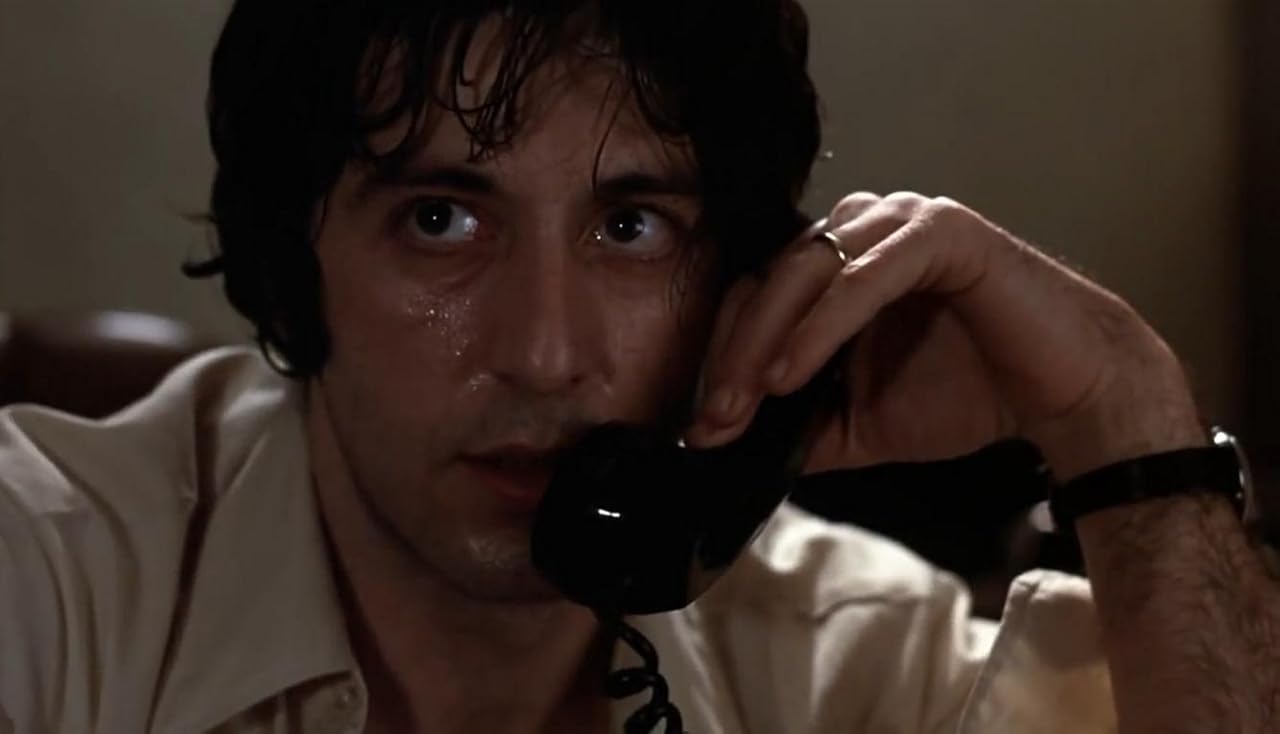
    First watch; instantly a new favourite. Rarely has a film been this sweaty. Mind-bogglingly layered, it will reward viewing after viewing. Al Pacino simply hands in another all-timer performance, no biggie. The sound design alone deserves to be unpacked via a one-off podcast.

    I cannot imagine the dread in the heart of a contemporaneous audience watching this a mere three years after the Munich Massacre. I’m coming into this a cool 50 years after release and still my heart was skipping beats. Profound[ly] cinema.

    [Viewed in cinema @ Ritz Randwick]


  • Sketching Tatsuki

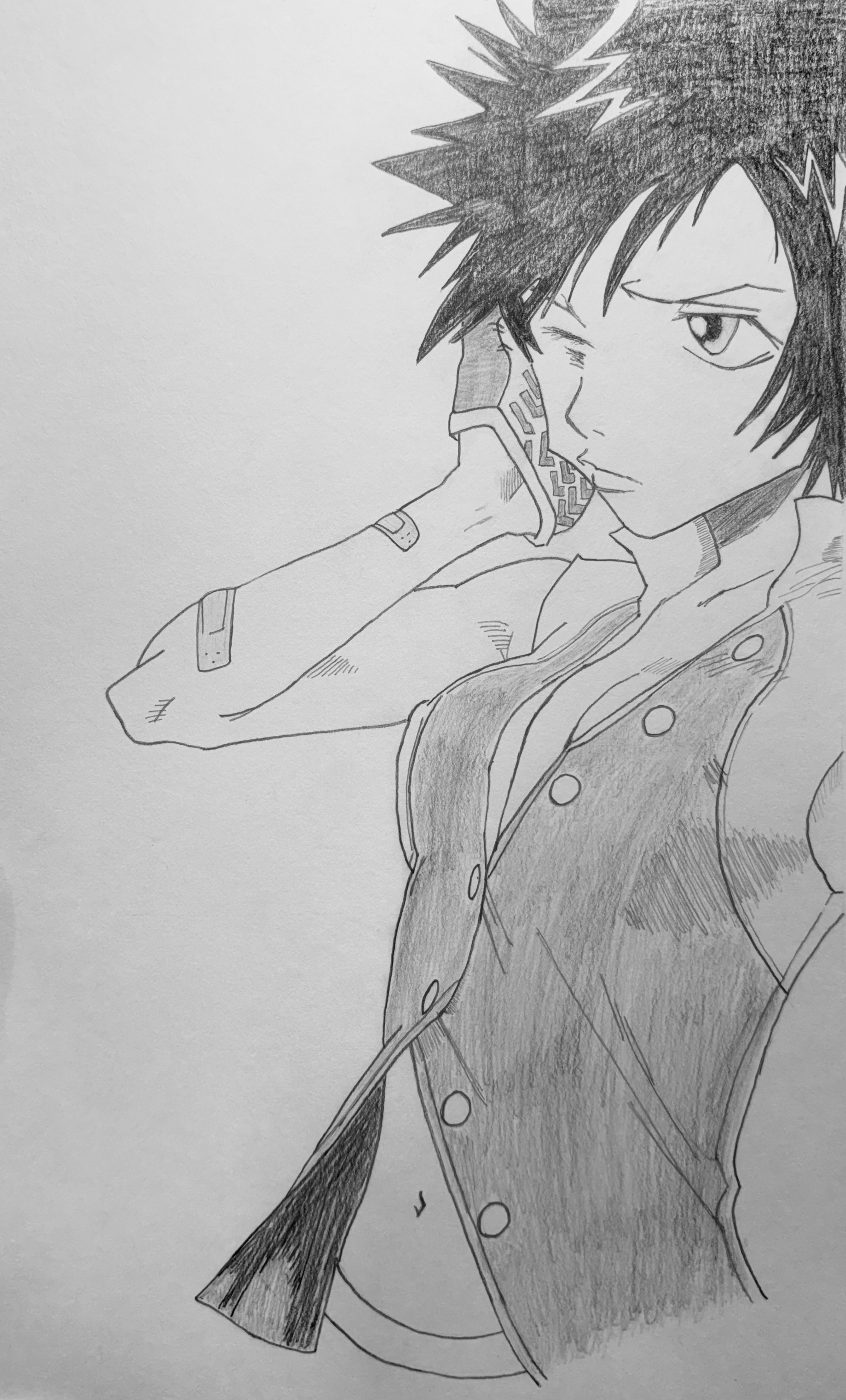
    Another sketch from Bleach: Tatsuki Arisawa, as she appears on the cover of Chapter 42. I really like this ‘candid’ image of her, which seems distinct from how she’s portrayed in the story. It’s like a ‘behind the scenes’ glimpse into her life.


  • Sketching Rukia

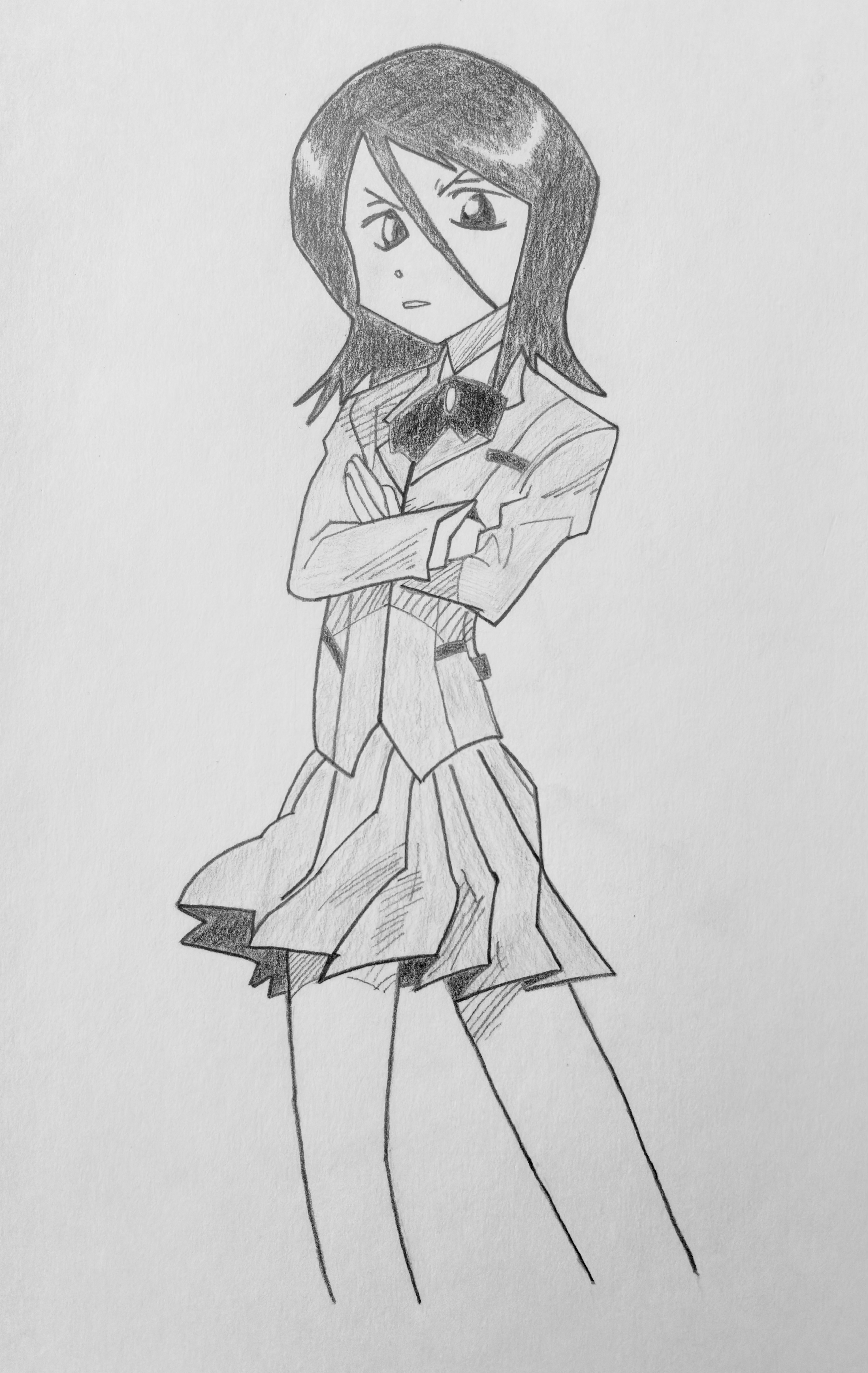
    My recent (and sudden) interest in manga has given way to trying my hand at something I’d always wished to be good at: drawing. I have zero skills when it comes to drawing by hand but I try not to let an empty tool chest stop me from starting something. While I am a long way from being able to draw something from scratch, I’ve found it very relaxing to re-create some of my favourite images from the manga I’m reading (or at least: the ones I think I can draw).

    I started with Bleach and my favourite character so far: Rukia Kuchiki. The below sketch represents about seven hours of gradual work, and it was within those seven hours that I discovered how calming and therapeutic drawing can be. I’ve taken to putting on some comfort television (lately: another rewatch of The Office) and going about my work-in-progress. It’s become a really nice way to end a day and wind down for sleep.


  • WandaVision

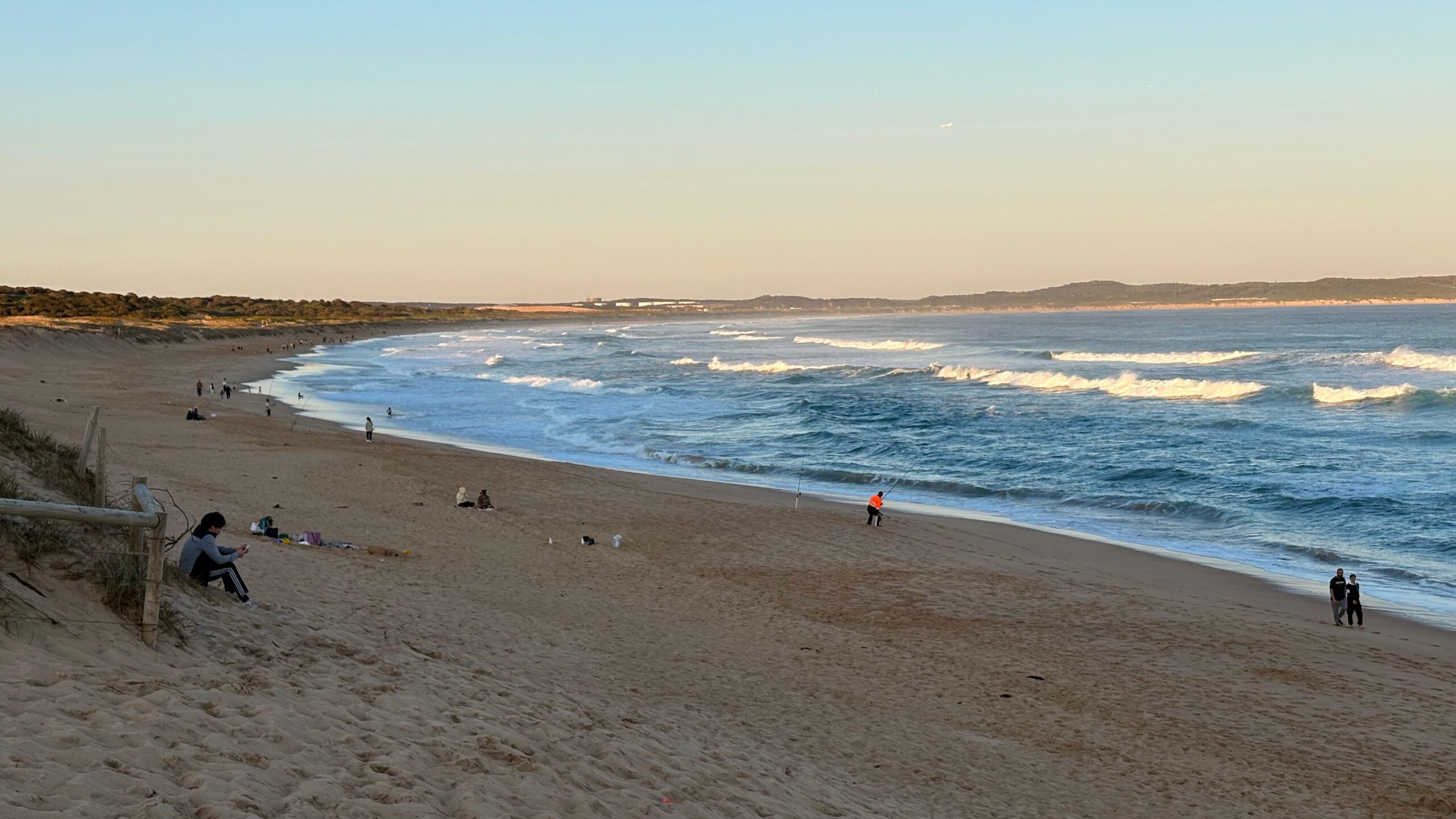
    Today the family and I enjoyed a picnic above Wanda Beach, just north of Cronulla. Earlier in the year we purchased a pop-up sun shelter that makes it easy to get outside without worrying as much about Australia’s brutal sun. I intend to use it at every opportunity.

    There’s something very nice about grabbing some simple foods (today my menu was merely fruit, gourmet potato chips, and a roll I stuffed with some salami) and being outside in a sea breeze. Grogu also found contentment and we had to work pretty hard to pull him away, even after nearly three hours of just sitting and being – usually a tall order for a four year old.

    One always runs the risk of taking the benefits of their local area for granted. I’m desperate to avoid being a person who lives near the beach but never sees it.


  • Wake In Fright

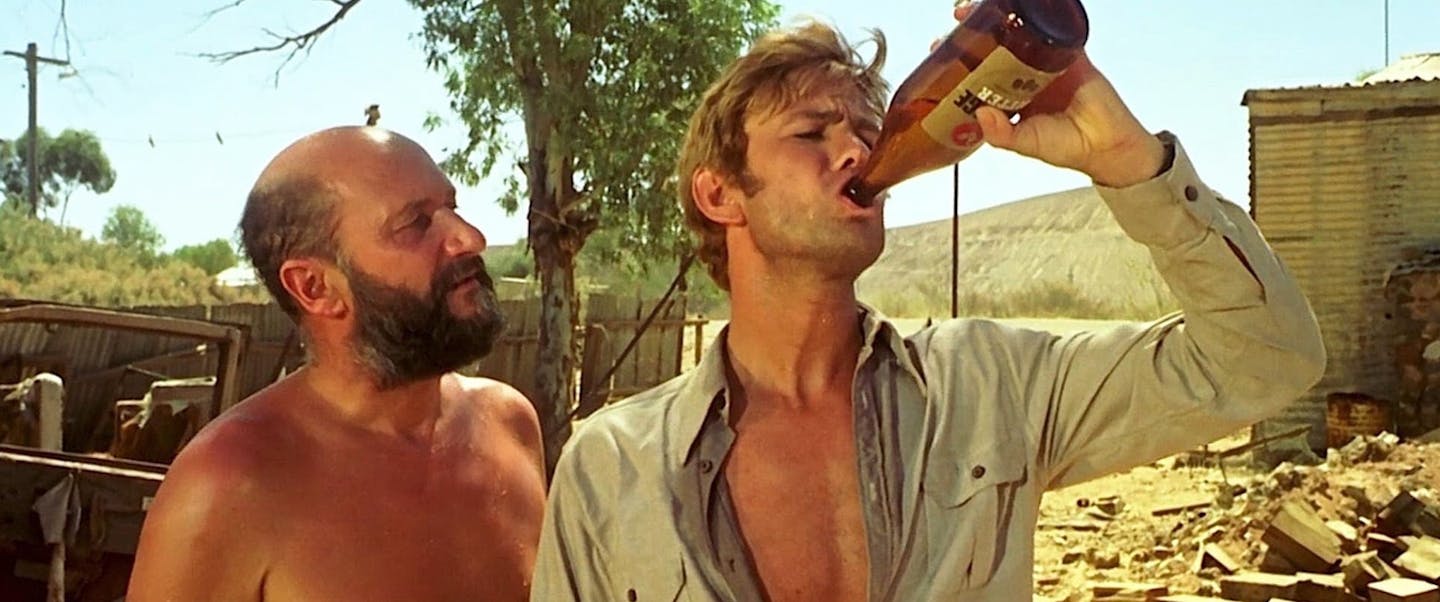
    Kotcheff | 1971 | Australia | 35mm

    I’m new to the Yabba, so why not ring up my 1,600th movie with what is probably the best Australian film I’ve ever seen – and on a pristine 35mm print from the National Film and Sound Archive of Australia, while we’re at it.

    Wake In Fright had been on my radar for more than ten years and it was worth the wait. I have within me a few thousand words about what I would call “waking liminal space” and how it’s represented in this film, but l’ll save that for another day. What we’re left with, then, is a waking hell that includes a kangaroo hunting sequence that might be the most grotesque thing l’ve ever seen committed to celluloid.

    Possibly perfect? I dunno. I’m new to the Yabba. Just passing through.


  • Weapons

    Cregger | 2025 | USA

    Julia Garner now 2-for-2 since Wolf Man and we’re back!

    Enough here to sustain interest, but a case of there being a great movie in here somewhere that just is never really drawn out. This is likely my own fault, as I went in expecting a much different tone and approach. It was only at the very end of the film that I realised I had primed the pump for the wrong well, but that’s obviously a bit too late. I look forward to revisiting it in the future with a clearer sense of what it’s trying to do, and I imagine I’ll like it much more.


  • The Fantastic Four: First Steps

    Shakman | 2025 | USA

    Trivia Factoid: the subtitle of this film refers to the first steps on the road to forgiveness for Julia Garner (who subjected me to Wolf Man earlier this year).


  • Le Rayon vert

    Rohmer | 1986 | France

    Considered by many to be his greatest film, this was a Rohmer blind spot for me until now. Knowing people loved it, I’d saved it for “the right moment”. Ironically so, it turns out, as the central character is also waiting for something she can’t articulate or read in the playing cards she finds on the ground as she moves through the world. I knew how it ended, alas, because I had read the story of Rohmer (captive always to his preference for natural light) waiting a year for favourable weather conditions to allow him to capture a pivotal shot. The foreknowledge did little to lessen the impact – it’s a beautiful moment in a beautiful film.


  • Affeksjonsverdi

    Trier | 2025 | Norway

    My most anticipated 2025 release, and it delivered. In The Myth of Sisyphus, Albert Camus posits that suicide is the only true philosophical question. He ultimately rejects suicide and outlines his absurdist philosophy, using the stage actor as one of his illustrative examples of the “absurd man” [sic]. The stage actor can live a thousand lives, but they are all ephemeral lives. It is an essential absurdity to live this way. A film performance, meanwhile, is captured and can thusly outlive the performer; achieve immortality.

    Trier is swimming laps in this same pool with a central character – played by the singular Renate Reinsve – who seems to prefer the stage to the screen, but is repulsed by both. If one views her struggle as a choice between absurd ephemerality or individualistic (and inescapable) immortality, we transcend a mere “hero’s journey” and instead receive what Camus would call a “tsar […] covered in glory”.

    So yeah, I adored it.