
Assayas | 1996 | France
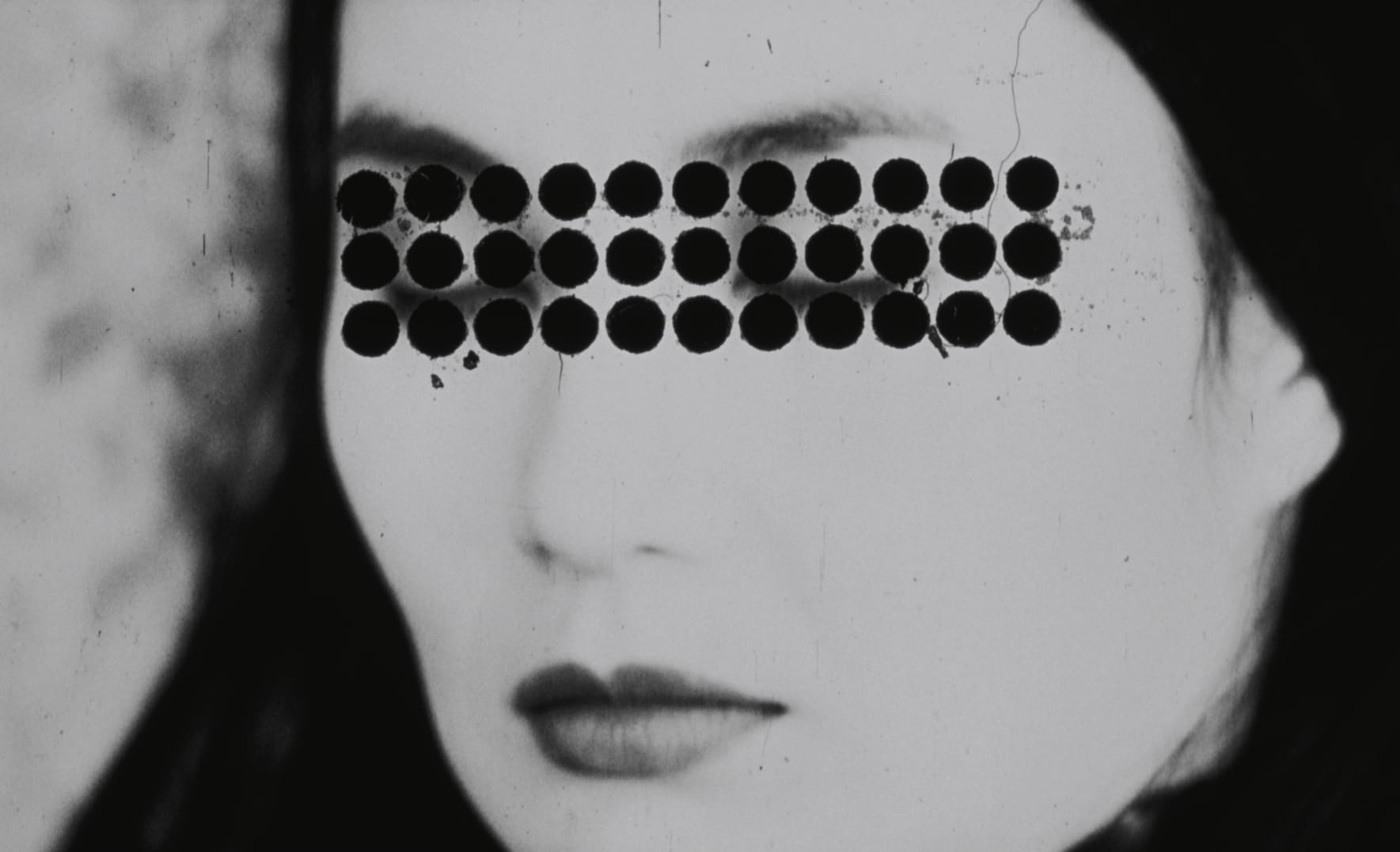
Second watch; first in cinema. I am always going on about the concentric circles of art and memory, and you can stop reading here if you’d like an apology for this. Generally underexplored is the possibility of creating art by mutilating art and, by extension, the moment it captured. This is, perhaps, because we have arrived at a moment of all art being impermanent (despite what tech bros peddling NFTs will tell you. 35mm film, however, can be objectively and irreparably destroyed.).
Indeed, I have recently started to dabble in drawing. I have feared finalising my pencil sketches with anything as permanent as ink or marker, because one false stroke could [devastatingly] ruin ten or more hours of work.
But then I read about the trick of tracing your pencil sketches, and then perhaps tracing it again. At which point the pencil sketch is art, the tracing is art, and any number of subsequent tracings are art. What, then, is an abandoned sketch I’ve scrubbed out?
Exploring this question (while challenging you to decide if art and a psychotic break can be mutually exclusive) is what might be my favourite ending of any movie. Preceding it is a fascinating meta commentary on filmmaking as [barely-] controlled chaos, anchored by Maggie Cheung playing, well, Maggie Cheung (as a deceptively self-aware avatar of herself).
Assayas has a lot to say via these filmic manifestations of unreal realities, and it’s all packaged not unlike the nouvelle vague films that inspired it. I could probably learn something about myself if l interrogated my own propensity to emotionally connect with explorations of craft. Perhaps that is our call-to-action.
Leave a Reply